James Oliver
Seumas Olaghair (trans. lit. Gàidhlig)
Seumas Chatriona nigh’n Dhomhnuill Aonghais Bhig (trans. sloinneadh. Gàidhlig)
living and working in Narrm/Naarm
on the lands of the people of the Eastern Kulin Nation (Boon Wurrung, Woi Wurrung)
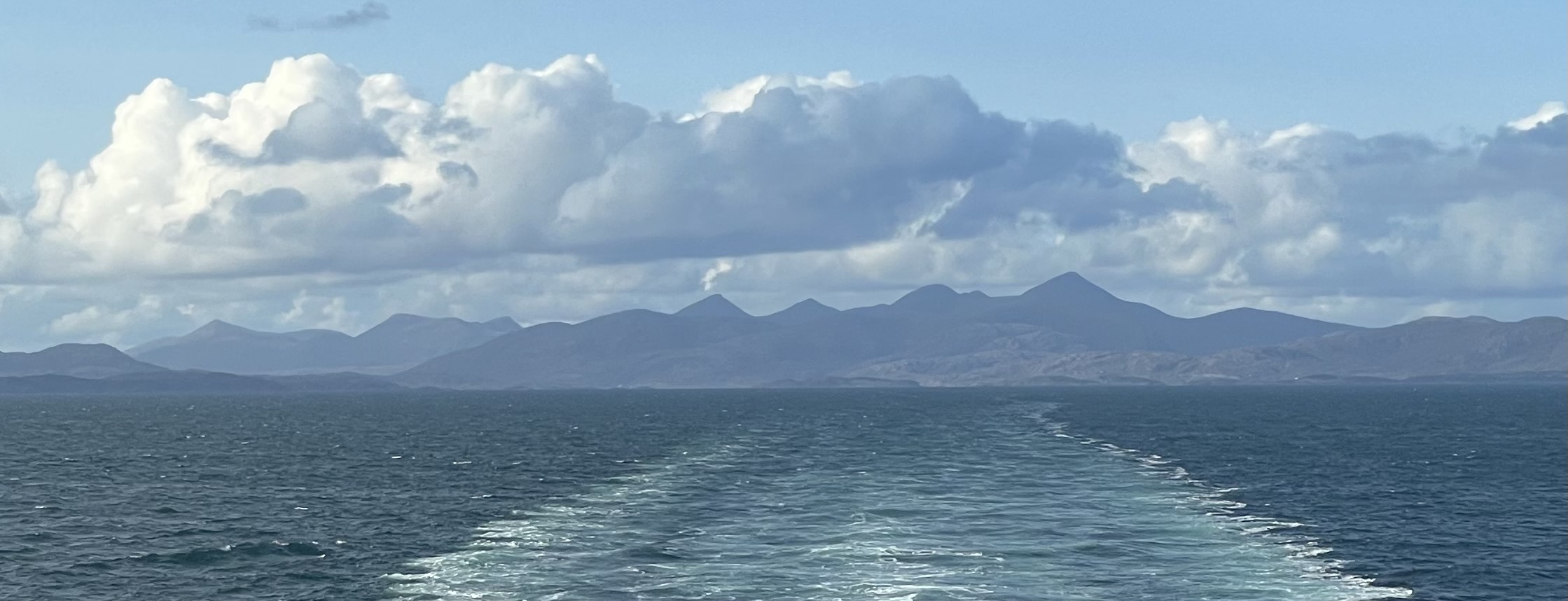
also to be found near the Cuillin (An Cuiltheann) in Skye, the Hebrides, and wider Gàidhealtachd
___
Professional Profile
James is an Associate Professor with the School of Design at RMIT University (Melbourne, AU) and an Adjunct Associate Professor with Wominjeka Djeembana Indigenous research lab at Monash University (Melbourne, AU). He has more than 20 years of professional experience across a range of disciplines and sectors (through creative arts, design, social sciences, arts development, community and place-based practices). This has nurtured a collaborative ‘practice-research’ career beyond traditional disciplinary boundaries, particularly at the intersections of cultural relations, creative practice research, and Indigenous Practice Research. A reflection of this diverse range of collaboration is published in the book, ‘Associations: creative practice and research,’ (MUP 2018). James has previously held academic appointments at The University of Glasgow, The University of Edinburgh, The University of Melbourne. He has also worked as an arts development officer at the former Scottish Arts Council, and as a researcher, speechwriter, and press officer at the Scottish Parliament.
Current details of his broader research practice and writing are available at academia.edu.
___
nonfiction
‘The Island Ocean: hyper-local relations in the global archipelago’ – James Oliver.
Is mise Seumas Chatriona nigh’n Dhomhnuill Aonghais Bhig mac Dhomhnuill mhic Pheadar mhic Mhurchaidh. This is my sloinneadh, my cultural, place-based and genealogical name. I am a Hebridean Gàidheal and a native of the Isle of Skye (an t-Eilean Sgitheanach). This lived experience and cultural ecology of Gàidhlig/Gaelic language and place, configures a significant foundation and relation in my life and work. Ultimately, this is an articulation of my dùthchas: a culturally embodied consciousness and connectedness of a lived relation with land and place.
Dùthchas is an ontological and ecological concept: a place-based and embodied way of knowing, being, doing and making, as cultural collaboration and creativity. This ‘ontology’ has evolved my practice-research relationships through situated experience (as an academic and as a Hebridean Gàidheal). So, although my research training began in the social sciences (political science, social and economic history, sociology and anthropology), my practice-research origins are fundamentally cultural too. Initially, my research was focussed on situational, social identity at the intersections of my native culture, language, and place-based belonging, and the various configurations of those identities; but this has become much less about identity and more about ontologies and practices of emplacement – e.g. ethical relations and collaborations with place – and learning with land (see also my collaboration, Tuath, with ATLAS Arts, Skye).
Therefore, my cultural (and social) history and experience evolved into a creative practice research orientation and application aligned with place-based cultural and ecological relations, inclusive of diverse lived experiences, human and more than just human, local and more than just local: hyper-local. In this context of plurality, always in the making and progressively evolving, transnational and transdisciplinary relations and collaboration became increasingly possible, including through intersections with decolonial practices, public pedagogies, and the possibilities afforded through creative and cultural ways of knowing. Ultimately, and to repeat, this is ontological (and ecological) – it is consistent with dùthchas, my Indigenous cultural position, informing relations and practices of ways of knowing, traditional and emerging.
___
© James Oliver / Seumas Olaghair
I acknowledge that I am an uninvited guest living and working on the unceded Country of the Eastern Kulin Nation. In particular, I pay my respects to the Ancestors, Elders, and First Peoples of Narrm/Naarm, where Melbourne and RMIT University are situated, and to the people of the Boon Wurrung and Woi Wurrung language groups. I acknowledge that sovereignty was never ceded on these lands or waterways and I pay my respects to all First Nations and Traditional Owners throughout Australia.
 James Oliver, BA (Hons), MRes, PhD